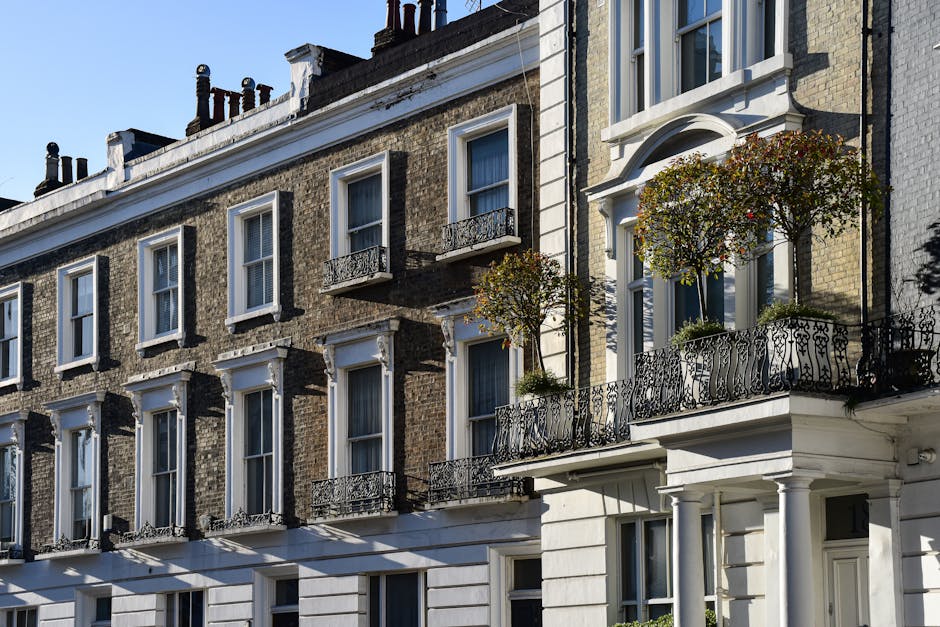
Wardour Street roof garden maintenance gardeners Soho
If you live or work near Wardour Street, you already know the roof garden challenge: it looks effortless from street level, but behind the scenes it needs regular care, careful access, and a proper eye for detail. That is exactly where Wardour Street roof garden maintenance gardeners Soho earn their keep. A roof garden in central London is not just a nice extra; it is a living space exposed to wind, heat, shade, pollution, drainage quirks, and the occasional "how did that plant even survive?" moment. This guide explains what roof garden maintenance involves, why it matters, how professional gardeners approach it, and how to keep yours looking good without turning it into a monthly headache.
Truth be told, roof gardens can be brilliant and a little temperamental. One week everything is lush, the next week the edge planters are dry, the paving is slippery, and a hidden drain has decided to complain. The good news? With the right maintenance plan, most of those problems are manageable. Below, you will find practical steps, useful comparisons, and a realistic checklist for keeping a Soho roof garden tidy, healthy, and safe.
Quick takeaway: roof gardens in Wardour Street need more than ordinary garden care. They need planned watering, drainage checks, wind-aware planting, routine cleaning, and sensible access arrangements. Done well, maintenance protects plants, surfaces, and the property itself.
For a broader look at the services that support these jobs, you may also find the services overview useful, along with the dedicated garden maintenance page for ongoing upkeep. If your roof space includes hard landscaping, the team's landscaping and decking services may also be relevant.
Table of Contents
- Why Wardour Street roof garden maintenance gardeners Soho Matters
- How Wardour Street roof garden maintenance gardeners Soho Works
- Key Benefits and Practical Advantages
- Who This Is For and When It Makes Sense
- Step-by-Step Guidance
- Expert Tips for Better Results
- Common Mistakes to Avoid
- Tools, Resources and Recommendations
- Law, Compliance, Standards, or Best Practice
- Options, Methods, or Comparison Table
- Case Study or Real-World Example
- Practical Checklist
- Conclusion
- Frequently Asked Questions
Why Wardour Street roof garden maintenance gardeners Soho Matters
Wardour Street is right in the thick of Soho life, which means roof gardens there face a very particular mix of pressures. There is more footfall, more airborne dust, more reflected heat from surrounding buildings, and often less forgiving access for routine upkeep. A garden at height also behaves differently from one at ground level. It dries faster in the wind, gets battered by weather more directly, and can suffer when drainage is even slightly off.
That is why maintenance is not a "nice to have". It is the thing that keeps a roof garden from slowly slipping into patchy planting, blocked outlets, staining, and unnecessary repair bills. A small issue on a ground-level bed can be mildly annoying. On a roof, it can become a leak risk or a structural headache. And nobody wants that.
The other reason maintenance matters is appearance. Roof gardens in Soho are often used as small escapes, client-facing spaces, or private retreats above busy streets. They should feel calm, not tired. A crisp edge, healthy foliage, clean paving, and controlled growth make an immediate difference. You notice it straight away when you step outside and hear the city soften a little.
In our experience, the best-maintained roof gardens are not the most elaborate ones. They are the most consistently cared for. Small, regular work almost always beats dramatic rescue jobs later.
How Wardour Street roof garden maintenance gardeners Soho Works
Professional roof garden maintenance usually starts with an inspection. That first look is about more than "what looks nice". A good gardener will check access, irrigation, drainage points, planter condition, plant health, wind exposure, and any signs of surface damage or water pooling. On a roof, the sequence matters. You do not just cut, tidy, and leave. You work with the site's constraints.
Maintenance then falls into a rhythm. Some tasks happen weekly or fortnightly, others seasonally. The exact schedule depends on planting style, sunlight, roof size, and how the space is used. A modest herb planter setup has different needs from a layered terrace with shrubs, climbers, and ornamental grasses.
Common tasks include:
- checking irrigation or hand-watering needs
- deadheading and pruning for shape and health
- removing fallen leaves and debris
- clearing drains, gullies, and outlet covers
- inspecting planters for cracking, movement, or salt damage
- feeding and mulching where appropriate
- replacing stressed or failed plants
- cleaning hard surfaces and identifying trip hazards
Sometimes the work is straightforward. Sometimes it is a bit of detective work. Why is one corner always dry? Why do the paving joints look damp after rain? Is that plant drooping because of drought, root restriction, or simply a nasty day in the wind? The answer is not always obvious, and that is where experience helps.
If the roof garden is part of a larger property management plan, it can be useful to combine it with wider upkeep from garden maintenance and, where plants are becoming overgrown or awkward to access, hedge trimming. For larger reset jobs, garden clearance can help remove accumulated waste and bring the site back to a manageable baseline.
Key Benefits and Practical Advantages
A well-maintained roof garden gives you much more than a pretty view. It protects the property, supports plant health, and makes the space genuinely usable rather than decorative in theory only.
1. Longer life for plants and materials
Roof gardens are tough on living and non-living materials alike. Regular care helps plants stay balanced and extends the life of planters, membrane edges, timber features, and decking.
2. Better drainage performance
Blocked drains on a roof are not a small nuisance. Routine cleaning helps prevent standing water, staining, and long-term moisture problems. A few leaves in the wrong place can become surprisingly inconvenient. Little things add up.
3. Safer, tidier access and use
Clean paths, trimmed growth, and stable surfaces reduce the chance of slips, trips, and clumsy accidents. Roof gardens should feel welcoming, not like somewhere you have to tiptoe through.
4. More consistent appearance
A maintenance plan keeps the space looking considered year-round. That matters for private homes, offices, hospitality settings, and any property where first impressions count.
5. Lower emergency repair risk
Fixing a small issue early is almost always cheaper and easier than waiting until it turns into visible damage. That is especially true at height, where access costs can rise quickly.
6. Better plant selection over time
A skilled gardener does not just maintain what is there; they learn what thrives. Over time, maintenance can guide smarter planting choices, improving resilience and reducing waste.
Expert summary: roof garden maintenance is really about control. Not control in a rigid sense, but enough structure to let the space breathe, survive the seasons, and stay pleasant without constant rescue work.
Who This Is For and When It Makes Sense
This service suits a surprisingly wide range of people. If you have a roof terrace, rooftop planting scheme, or planted communal space in Soho, you already know how quickly the upkeep can slip. A few busy weeks and suddenly the garden has its own opinion about where it wants to grow.
It is especially useful for:
- homeowners with roof terraces that need regular upkeep
- landlords and property managers responsible for shared spaces
- offices and studios with rooftop breakout areas
- hospitality venues that rely on a polished outdoor impression
- developers or building owners looking after newly installed roof planting
- anyone whose roof garden includes watering systems, planters, or decking
It makes sense when the garden starts demanding more attention than you can realistically give. That might be because of a busy work schedule, seasonal growth spurts, or simple access difficulty. Sometimes the roof is perfectly fine, but the resident gardener is not exactly thrilled about climbing up with a watering can twice a week. Fair enough.
It also makes sense when you want a calm, predictable maintenance plan instead of occasional reactive visits. If you are trying to keep standards high, steady care usually wins. A lot.
For clients who need a bit more than routine upkeep, combining maintenance with landscape gardening can help refresh planting schemes, improve layout, or solve recurring issues with shade and exposure. If the space includes structural timber or outdoor living features, decking services may also be part of the conversation.
Step-by-Step Guidance
If you are planning roof garden maintenance for a Wardour Street property, here is the practical sequence that tends to work best.
1. Assess the roof garden properly
Start with a full walk-through. Look for plant stress, poor drainage, loose fixtures, standing water, worn surfaces, and any areas that get hammered by wind or shade. It is usually the quiet corners that cause the most grief later.
2. Prioritise access and safety
Before any pruning or cleaning begins, make sure access is safe and practical. Roof work often needs careful movement of tools, waste, and water. If the route is awkward, the job should be planned around that, not improvised.
3. Tackle drainage first
Clear leaves, grit, and debris from outlets, grilles, and channels. Then check whether water moves freely after rainfall or irrigation. If drainage is sluggish, sort that before doing cosmetic work. Otherwise you are polishing the bonnet while the engine coughs.
4. Water with purpose
Roof gardens dry out faster than many people expect, especially in exposed Soho settings. Water deeply and less frequently where suitable, rather than giving plants a token splash every day. Containers may need different treatment depending on material, depth, and plant type.
5. Prune, deadhead, and reshape
Remove dead or damaged growth and keep plants from crowding one another. On a roof, a compact, resilient shape is usually better than letting everything spread at random. Lightweight, wind-tolerant plants are often your best friends here.
6. Feed and refresh planting where needed
Use feed or compost carefully and according to the plant's needs. Roof gardens can be nutrient-poor because containers have limited soil volume. A small boost can make a big difference, but too much is just wasteful.
7. Clean hard landscaping and inspect features
Sweep paving, rinse off residue where suitable, and check timber, edging, fixings, and planters for wear. Roof gardens often have mixed materials, so a quick visual check can catch small faults before they spread.
8. Record what has changed
Keep notes on what was pruned, replaced, watered, or repaired. Even a simple running record helps identify patterns over time. You will spot repeat problems much faster.
Expert Tips for Better Results
A few small habits can make a roof garden noticeably easier to maintain. These are the practical details that tend to separate a decent result from a consistently excellent one.
- Choose wind-tolerant planting. Tall, floppy, high-maintenance plants can become a disappointment on exposed roofs. Choose species that hold shape and recover well.
- Use large enough planters. Tiny containers dry out fast and overheat. Bigger planters give roots more stability, which is worth its weight in gold.
- Keep drainage visible. If drains are buried under pots or decorative material, they are harder to monitor. That is how minor problems sneak up.
- Group plants by water need. Mixing thirsty and drought-tolerant plants in one area usually leads to compromise, and not the good kind.
- Mulch where appropriate. It reduces evaporation and keeps root zones more stable.
- Schedule maintenance before peak stress periods. Spring and late summer are often busy times for growth and drying. A proactive visit then is worth two rushed ones later.
- Plan for access downtime. If the roof is used socially or commercially, maintenance should be timed to minimise disruption. Nobody wants prunings under their morning coffee.
One more thing: do not overfeed just because a plant looks tired. Sometimes the problem is water, root space, or exposure, not nutrition. The plant is asking for help, yes, but not necessarily a buffet.
Common Mistakes to Avoid
Roof gardens are unforgiving in a few specific ways, and the same mistakes come up again and again. Avoiding them can save real time and money.
Ignoring drainage checks
This is the big one. A roof garden can look fine right up until water starts lingering where it should not. Regular drainage checks are non-negotiable.
Using the wrong plants
Not every plant is suited to wind, heat reflection, or shallow root systems. A plant that looks lovely in a sheltered courtyard may sulk or fail on a roof terrace.
Letting pots become overcrowded
Container plants need periodic lifting, division, or replacement. Crowded roots reduce vigour and make watering less effective.
Overwatering or underwatering
Both are common. Roof gardens can dry very quickly, but they can also become waterlogged if drainage is poor. The trick is to observe, not guess.
Forgetting hard surfaces
People often focus on the planting and forget the paving, decking, and edges. Yet these are the parts that affect safety and presentation every single day.
Delaying seasonal work
Spring pruning, summer watering, autumn leaf clearance, and winter checks each have their moment. Miss the window and the job becomes harder.
Trying to do everything in one visit
A roof garden can be too much for one hurried session. It is better to prioritise the risks first and come back for detail work if needed.
Tools, Resources and Recommendations
Most roof garden maintenance jobs rely on standard gardening tools, but the setting changes what matters most. Lightweight, tidy, and safe is the theme here.
| Tool or resource | What it helps with | Why it matters on a roof |
|---|---|---|
| Hand pruners and loppers | Trimming growth and deadwood | More precise work in tight spaces |
| Lightweight watering equipment | Targeted watering | Reduces carrying strain and spill risk |
| Leaf grabbers and sweepers | Debris removal | Keeps drains and surfaces clear |
| Soil moisture checking | Watering decisions | Helps avoid guesswork |
| Stable storage containers | Tool organisation | Safer movement and faster work |
| Waste bags and collection plan | Removing cuttings | Prevents clutter building up on access routes |
In practical terms, the best "resource" is a sensible maintenance schedule. A mixed roof space in Soho usually benefits from a recurring plan rather than one-off rescue visits. If you are comparing services, it is worth checking whether the provider explains access, waste handling, and plant replacement clearly. You can also review the company's pricing and quotes guidance to understand how work is typically scoped.
For property owners who care about how garden waste is handled, the recycling and sustainability page is a useful place to understand responsible disposal and environmental intent. That sort of detail matters more than people think, especially in dense urban settings.
Law, Compliance, Standards, or Best Practice
Roof garden maintenance often touches on safety, access, waste handling, and property duty of care. While the exact requirements depend on the site and the type of work, there are some sensible best-practice principles to keep in mind.
First, roof work should be treated as higher-risk than ordinary ground-level garden work. Safe access, stable footing, tidy tool handling, and clear movement routes all matter. If a job requires awkward lifting, repeated trips up and down, or work near edges, it should be planned carefully rather than improvised.
Second, water management matters. On roofs, poor drainage can affect both the garden and the building. Maintenance should always include a check that outlets, channels, and drainage paths are not blocked or concealed by plant material, gravel, or container placement.
Third, waste should be removed responsibly and without creating hazards. Cuttings left in corners can become slippery, block drains, or attract pests. A clean finish is not just visual; it is part of good housekeeping.
Fourth, reputable providers should have sensible internal policies around health and safety, insurance, and security of payment. If you are choosing a service, it is fair to ask about these basics. The site's health and safety policy and insurance and safety information can help you judge whether the organisation takes those duties seriously.
Finally, if you are dealing with a managed building or multi-occupancy property, it is often wise to coordinate maintenance with building management so access, waste removal, and any noise-sensitive tasks are handled properly. That simple bit of coordination saves a lot of awkwardness later. Nobody enjoys an unexpected ladder manoeuvre at 8am.
Options, Methods, or Comparison Table
There is more than one way to maintain a roof garden, and the right choice depends on how it is used. Some owners want a light-touch tidy-up. Others need structured, recurring care. Here is a simple comparison.
| Method | Best for | Pros | Limitations |
|---|---|---|---|
| Light-touch seasonal maintenance | Small roof gardens with hardy planting | Lower cost, simpler scheduling | Can miss emerging problems if used alone |
| Regular planned maintenance | Most Soho roof gardens | Consistent appearance, better plant health, fewer surprises | Needs commitment and scheduling |
| Reactive maintenance | Occasional clean-ups or emergency fixes | Useful for urgent issues | Usually more stressful and less efficient |
| Full redesign plus maintenance | Problematic or outdated roof gardens | Can solve layout, drainage, and planting problems together | More complex and time-consuming |
For many Wardour Street properties, the sweet spot is planned maintenance with occasional improvement work. That approach keeps the space presentable without overcomplicating things. If the roof garden has become messy or overgrown, a combination of garden clearance and then ongoing maintenance can be a sensible reset.
Case Study or Real-World Example
Picture a compact roof garden above a mixed-use building near Wardour Street. The space has three large planters, a narrow decked walkway, some ornamental grasses, and a few shrubs chosen for privacy. It looked great in spring, then summer heat arrived, and by late August the edges were dry, the grasses were leaning, and one drain kept collecting debris after windy days.
The maintenance approach was straightforward but careful. The team started by clearing the drain area and checking water flow. Then they removed tired growth, reshaped the shrubs, and refreshed the planting surface with suitable mulch. One planter had become root-bound, so the plant was replaced with a better-suited species that could handle wind and a smaller root volume. The decking was cleaned, and the access route was kept clear so the building users could still move through safely.
Nothing dramatic happened. That is the point. No crisis, no frantic emergency call, no "why is the ceiling damp?" conversation. Just a tidy, stable roof garden that started working again as a space, not a problem.
That is often how good maintenance looks in real life. Quiet. Uneventful. Slightly boring, maybe. And that is a compliment.
Practical Checklist
Use this checklist as a simple roof garden maintenance reference.
- Check drainage outlets and clear debris
- Inspect planters for cracks, movement, or staining
- Look for dry, wind-burnt, or yellowing plants
- Water according to plant need and weather conditions
- Prune, deadhead, and remove damaged growth
- Sweep and clean paths, decking, and edging
- Check for slippery patches or loose materials
- Review plant spacing and root crowding
- Replace failed plants before gaps become obvious
- Record any issues that may need follow-up
- Keep access routes clear for safe movement
- Plan the next visit before the roof garden slips out of rhythm
If you are managing a busier property, it can also help to pair roof garden care with related services like lawn mowing for any ground-level green space, or broader landscape gardening if you are refreshing the whole outdoor environment. Not every site needs everything, of course, but many Soho properties benefit from joined-up thinking.
Conclusion
Wardour Street roof garden maintenance is really about preserving value, comfort, and safety in a place where space is precious and conditions are demanding. The right gardeners understand the balance between aesthetics and practicality. They know when to prune, when to water, when to clear, and when to step back and let the garden settle.
If you are responsible for a roof garden in Soho, the smartest approach is usually the simplest one: inspect regularly, act early, and keep the space on a steady maintenance rhythm. It saves stress, protects the building, and keeps the garden feeling like a reward rather than another task on the list. And honestly, in a busy part of London, that calm little patch of green can mean more than people expect.
Get a free quote today and see how much you can save.
If you would like to learn more about the team behind these services, visit the about us page, or use the contact us page when you are ready to discuss your roof garden needs in more detail. A well-kept roof can change how a whole property feels, and that is no small thing.
Frequently Asked Questions
What does roof garden maintenance usually include?
It usually includes watering, pruning, deadheading, debris removal, drainage checks, surface cleaning, and routine plant health inspections. On a roof, the drainage and access parts are especially important.
How often should a Wardour Street roof garden be maintained?
That depends on the planting style and use of the space, but many roof gardens benefit from regular visits rather than occasional rescue work. During warmer or windier periods, you may need more frequent checks.
Why are roof gardens harder to maintain than ground-level gardens?
They are more exposed to wind, heat, and fast drying, and they often have tighter access. Drainage and safety also matter more because the space is elevated.
Can any plant be used in a roof garden?
No, not really. Roof gardens usually need resilient, wind-tolerant, container-friendly plants that can cope with shallow soil and changing conditions. Plant choice makes a huge difference.
What are the most common roof garden problems in Soho?
The usual problems are dry planting, blocked drainage, tired containers, wind damage, and surfaces that need regular cleaning. The urban setting can also add dust and grime.
Is roof garden maintenance expensive?
It can vary a lot depending on access, size, planting complexity, and whether the garden needs a one-off tidy or an ongoing plan. A regular schedule often proves more efficient than emergency work.
Do I need professional gardeners for a small roof terrace?
Not always, but professional help is often worthwhile if access is awkward, plants are failing, or you want the space kept to a consistent standard. Small roofs can be deceptively demanding.
How do gardeners deal with drainage on a roof garden?
They clear outlets and channels, remove debris, check for standing water, and make sure containers or decorative materials are not blocking the flow. It is one of the first things worth checking.
What should I ask before booking roof garden maintenance?
Ask about access arrangements, safety procedures, insurance, waste removal, what is included in the visit, and whether the team can advise on planting or structural concerns. Clear answers are a good sign.
Can roof garden maintenance include decking and hard landscaping?
Yes. In many cases it should. Decking, paving, edging, and planters all affect how the space looks and works, so they should be included in the maintenance conversation.
What is the best time of year to start a maintenance plan?
Any time is better than leaving it too late, but spring and early autumn are often sensible moments to reset the space. That said, a roof garden can be improved year-round with the right approach.
How do I know if my roof garden needs a full clearance rather than regular maintenance?
If the garden is heavily overgrown, cluttered, or difficult to access safely, a clearance may be the better starting point. Once it is brought back under control, regular maintenance can keep it that way.
Remember: the best roof gardens are not the ones that look untouched; they are the ones that have been cared for consistently, with just enough attention to keep them thriving. That steady rhythm makes all the difference.