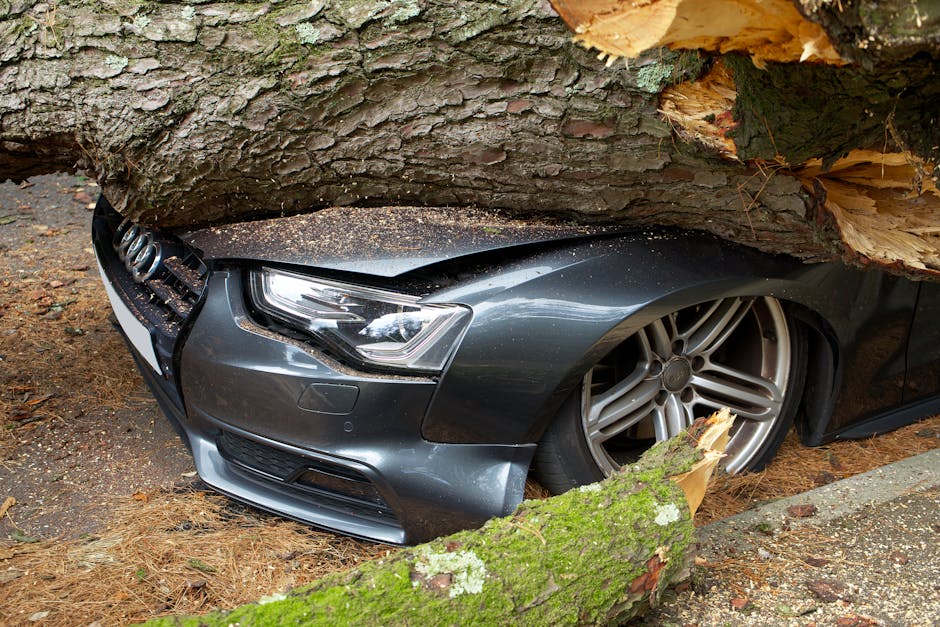
Same day emergency gardeners Soho for storm damage
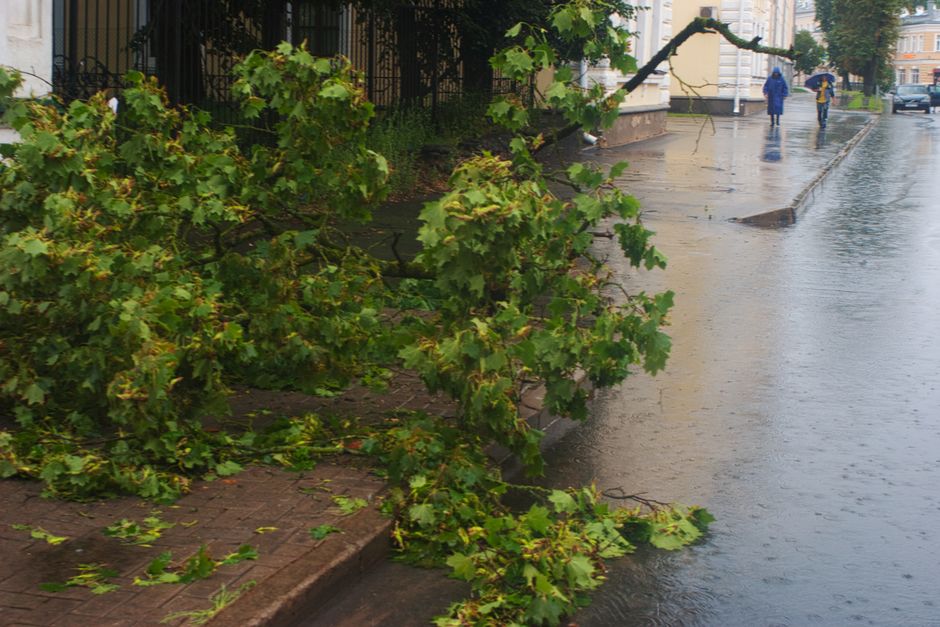
Storms in Soho can move fast. One minute your garden looks tidy and calm; the next, branches are down, pots are smashed, hedges are leaning, and something that was perfectly safe yesterday suddenly feels risky. If you need same day emergency gardeners Soho for storm damage, you are usually not looking for a long plan. You need the mess made safe, the damage assessed properly, and the garden brought back to a manageable state without delay.
This guide walks you through what emergency garden help actually involves, how the same-day process works, what a good response should include, and the mistakes worth avoiding when time is tight. It also covers practical checks, common storm scenarios, and the sort of follow-up work that prevents a small problem from becoming a bigger one later. Let's face it, after a strong wind or a proper downpour, the garden can look a bit defeated. The right response makes all the difference.
Why Same day emergency gardeners Soho for storm damage Matters
Storm damage in a busy central London area is not just about appearances. It can create trip hazards, block access paths, damage fences or decking, and leave unstable branches hanging over private gardens, yards, and shared spaces. In a place like Soho, where outdoor space is often compact and closely bordered, even a small amount of storm damage can affect neighbours, tenants, businesses, or building access very quickly.
The main reason same-day help matters is simple: time. Wet timber, broken stems, loosened roots, and scattered debris can all worsen after another spell of wind or rain. A garden that seems merely untidy at 9am can be more hazardous by late afternoon. If there are overhanging limbs, split hedges, or broken sections of fence, waiting too long may increase the clean-up cost and the safety risk.
There is also a practical reality that people sometimes overlook. Storm damage often exposes other issues that were already there: weak pruning points, tired timber, poor drainage, or garden structures that were near the end of their life. A fast response helps separate the urgent hazards from the longer-term repairs. That distinction matters. Quite a lot, actually.
If you want a broader view of what a full garden support service can cover after the immediate danger is handled, it can help to look at the wider services overview alongside follow-up options such as garden clearance and garden maintenance.
How Same day emergency gardeners Soho for storm damage Works
Same-day emergency garden work is usually straightforward in structure, even if the situation itself is messy. The key is to move from a quick report to safe action without fuss.
Here is the usual pattern:
- You describe the problem clearly. Mention what fell, what is unstable, whether anything is blocked, and whether there is any immediate danger to people or property.
- The urgency is assessed. A broken branch over a path is treated differently from a hedge that has simply flopped over in heavy rain.
- A same-day visit is arranged where possible. The aim is to make the area safe first, then tidy and remove the debris.
- Hazards are dealt with in priority order. Loose branches, unstable trunks, splintered fencing, and sharp debris are handled before cosmetic work.
- Waste is cleared and the area is checked. This matters because hidden debris, slippages, and cut stems can still cause problems after the obvious mess is gone.
- Follow-up work is discussed. Some jobs are complete in one visit; others need trimming, repair, or replanting after the initial emergency response.
In real terms, the process often begins with a quick visual assessment and a safety-first clean-up. The best emergency gardeners do not race through the garden just to make it look neat. They look for what is actually unstable. A branch can appear harmless and still be under tension. A hedge can look like it only needs a quick cut, but if the roots are disturbed, the right first step may be support or removal.
For tree-related storm issues, the right approach may overlap with tree lopping and removal, especially when limbs are cracked, hanging, or obstructing access. If the storm has left the space broadly cluttered rather than structurally damaged, a follow-up garden clearance visit is often the sensible next move.
Key Benefits and Practical Advantages
The obvious benefit is speed. But there are a few more, and they matter just as much.
- Reduced safety risk: Fallen branches, broken pots, sharp debris, and leaning panels can be dealt with before anyone gets hurt.
- Less property damage: Removing unstable material early can stop further impact on fences, paving, decking, or nearby planting.
- Cleaner decision-making: Once the immediate mess is under control, you can see what actually needs repairing or replacing.
- Better neighbour relations: Shared boundaries and small outdoor spaces mean storms can quickly become a nuisance next door, too.
- Less disruption: If the garden is used for access, storage, bin routes, or customer entry, same-day help keeps life moving.
There is another benefit that people often miss: momentum. When a storm has left the garden in a rough state, it is easy to put off action because the job feels overwhelming. Getting a prompt response breaks that cycle. You see the space improving quickly, and that makes the rest easier.
Where a storm has also damaged decking, steps, or hard surfaces, it can be wise to ask whether follow-up work from the decking services side is needed too. Even a small lifted board or loose edge can become a nuisance once wet weather returns.
Who This Is For and When It Makes Sense
Same-day storm response is not only for dramatic, headline-style damage. In fact, the most common calls are often for smaller but awkward problems that still need prompt attention.
This service makes sense if you are dealing with any of the following:
- branches blocking a doorway, gate, or side passage
- hedges bent over by wind, rain, or snow
- fallen leaves, twigs, and heavier debris scattered across paths
- uplifted plants, disturbed soil, or exposed roots
- broken fence panels or garden edging
- storm-damaged beds that need clearing before replanting
- an outdoor area that must be made presentable quickly for tenants, guests, or customers
For some people, the pressure is practical. For others, it is emotional. A garden is part of home, after all. When it gets battered overnight, it can feel strangely unsettling. You walk out in the morning and the space just does not feel like yours for a moment. That is normal.
If the storm has left your hedging uneven or torn, a later tidy-up through hedge trimming can restore the shape once the damaged material has been safely cut back. And if the weather has exposed broader outdoor maintenance issues, it may be time to think beyond the immediate response and look at landscaping or landscape gardening to improve resilience.
Step-by-Step Guidance
If you are trying to act quickly, a simple sequence helps. No grand theory. Just a calm order of operations.
- Check the area from a safe distance. Look for hanging branches, leaning trunks, broken glass, damaged lights, or anything electrical near wet ground.
- Keep people away from the hazard. If necessary, close gates or block access until the situation is assessed.
- Take a few clear photos. Not for drama. Just so you have a record of what changed before work begins.
- Describe the issue in plain English. Say what happened, where it is, and what is most urgent. You do not need to sound like a landscape architect.
- Ask what can be handled the same day. Some issues can be made safe and cleared immediately; others may need staged work.
- Prioritise safety over neatness. A tidy garden that still contains unstable wood is not really finished.
- Confirm what happens to the waste. If there is a lot of material, ask how removal and disposal will be handled.
- Plan the follow-up. This might include pruning, boundary repairs, re-leveling soil, or normal garden maintenance once conditions settle.
A little tip from experience: if you are making the first call just after the storm, keep the message short and specific. "Large branch down, path blocked, no one injured, need same-day visit" is much more useful than a long emotional essay. You can always explain more later.
Expert Tips for Better Results
Good storm recovery is usually about restraint, not just effort. The urge is to cut everything back at once and make it look perfect by tea time. Sometimes that is fine. Sometimes it is not.
Start with structure, then shape. If a hedge has been pushed over, do not rush to flatten it into a neat line before checking whether stems are split or roots are loosened. If a tree limb has snapped but is still attached, remove tension safely rather than forcing it. That tension is where people get caught out.
Think about water flow. Storms often wash debris into drains, beds, and low spots. A garden that has suddenly started holding water may need clearance, regrading, or a better surface layout. The fix is not always just "sweep it up."
Keep pruning sensible. Heavy storm cuts can be useful, but over-pruning weakens recovery. Better to remove damaged sections cleanly and leave the healthy growth intact where possible.
Use the storm as a diagnostic moment. If one fence panel failed, others may be close behind. If a border plant was uprooted, the soil structure may need attention. If a tree shed a large limb, the rest of the canopy may need review. The storm is the symptom; the underlying weakness is the clue.
Book the right follow-up service. Sometimes the best next step is not emergency work but proper planned maintenance. A garden can move from "urgent" to "recovering" quite quickly, then need garden maintenance to settle back into shape.
And one more thing: do not assume the first visible problem is the only one. Gardens are sneaky like that. A branch breaks here, and three metres away a hedge has been quietly torn at the base. Happens all the time.
Common Mistakes to Avoid
When people are stressed, they often make the same few errors. Completely understandable. But avoidable.
- Putting off the call: Small storm damage can worsen overnight, especially if more wind is forecast.
- Touching unstable branches: A branch under pressure can shift suddenly. It is not worth the risk.
- Forgetting hidden hazards: Nails, shards, broken canes, and split timber are easy to miss in wet grass or leaf litter.
- Assuming all damage is cosmetic: Leaning structures, disturbed roots, and broken fixings need proper attention.
- Over-clearing before assessment: If you remove everything first, you may lose sight of what actually caused the damage.
- Leaving debris on paths: In Soho, where access space is often tight, a blocked path can become a real daily nuisance.
There is also a quieter mistake: only fixing what you can see from the window. To be fair, that is human. But storm damage often hides around corners, behind sheds, or in side return spaces. A proper check saves a second call-out later.
Tools, Resources and Recommendations
You do not need a shed full of specialist kit to understand what a good emergency response involves. Still, it helps to know the basics.
Typical tools and materials used in storm recovery may include:
- professional pruning saws and secateurs for clean cuts
- loppers for medium branches
- tarpaulins or bags for safe collection of debris
- gloves, eye protection, and sturdy footwear
- hand tools for lifting loose material and clearing borders
- rakes and brooms for the final tidy-up
- supports or ties where plants can safely be stabilised
If the storm has turned the garden into a heavy clean-up job, a structured garden clearance approach can be the right recommendation, especially where broken branches, soaked leaves, and torn planting have all mixed together. For ongoing outdoor safety and compliance planning, it is also sensible to look at insurance and safety information and the company's health and safety policy.
Helpful decision-making questions:
- Is the damage actively dangerous, or mainly untidy?
- Is access blocked for people, deliveries, or neighbours?
- Can the damaged area be made safe in one visit?
- Will the clean-up need waste removal as part of the same job?
- Does the garden need immediate clearance or longer-term restoration?
If you are comparing providers, it also helps to ask how quotes are handled. Transparent pricing matters when time is short. A page like pricing and quotes is useful for understanding how estimates are usually framed, while payment and security gives reassurance around the practical side of booking and paying.
Law, Compliance, Standards, or Best Practice
Storm damage work sits in a practical area rather than a heavily regulated one, but there are still important best-practice expectations. In the UK, anyone carrying out outdoor work should think carefully about safety, access, waste handling, and the condition of tools and equipment. If tree work is involved, especially near property boundaries or shared access, caution matters even more.
Best practice usually means:
- checking for immediate hazards before starting
- using suitable protective equipment
- not forcing unstable branches or roots
- keeping pathways clear during work
- handling debris in a controlled way
- separating emergency make-safe work from longer-term repair
Where there is shared access, nearby structures, or uncertain tree stability, it is wise to pause and assess rather than rushing ahead. That is just good practice. If you are a tenant, leaseholder, managing agent, or business occupier, the same principle applies: keep records of the damage, act quickly to reduce risk, and make sure the right people are informed.
For businesses and households alike, responsible disposal also matters. Green waste, damaged timber, and mixed debris should be removed appropriately, and recycling should be considered where practical. That is one reason a provider's recycling and sustainability approach can be worth checking, even in an urgent situation.
The short version? Safety first, tidy second, restoration third. Not glamorous, but it works.
Options, Methods, or Comparison Table
Not every storm response needs the same kind of service. The right choice depends on what has happened and how quickly the space needs to function again.
| Option | Best for | What it usually includes | When it is less suitable |
|---|---|---|---|
| Emergency make-safe visit | Immediate hazards and blocked access | Removing loose hazards, stabilising obvious risks, basic clearance | Not ideal for large restoration jobs or full redesigns |
| Same-day storm clean-up | Scattered debris, damaged beds, broken branches | Clearing waste, tidying borders, restoring walkways | May not address deeper structural issues |
| Follow-up maintenance | Gardens that need recovery after the storm | Pruning, shaping, replanting, ongoing care | Not for active hazards that need urgent attention |
| Repair or landscaping work | Damaged borders, surfaces, layouts, or boundaries | Restoration, regrading, rebuilding, longer-term improvement | Too slow if the space is unsafe today |
A practical way to think about it is this: emergency work gets you back to safe, usable ground. Maintenance and landscaping get you back to a garden you actually want to spend time in. Both matter, but they solve different problems.
Case Study or Real-World Example
Picture a compact Soho courtyard after a windy night. A tall pot has tipped over, a climbing plant has split near the trellis, and two heavy branches have come down across a narrow side passage. Nothing dramatic enough for a film scene, but enough to stop normal use of the space. The owner can still see daylight through the damage, which is somehow worse. Very London, very annoying.
The first priority is to make the passage safe. Loose branches are removed, the heavier debris is cleared in stages, and the broken trellis is checked so it does not snag anyone passing through. Once the space is safe, the damaged plant is cut back cleanly, the soil is tidied, and the owner can see what has to be replaced later rather than guessing in the dark.
At that point, the job is no longer an emergency. It becomes recovery. A later visit may include hedge reshaping, border restoration, and possibly more general tidying through lawn mowing if the storm has left surrounding grass patchy or flattened. If there are more extensive changes to the outdoor layout, the conversation may move toward landscape gardening or broader landscaping support.
The useful lesson here is that same-day work does not need to solve everything. It just needs to stop the problem from controlling the rest of your day. That is often enough.
Practical Checklist
Use this quick checklist when storm damage hits and you need to respond fast:
- Check for immediate danger to people, pets, or property.
- Keep everyone away from unstable branches or leaning structures.
- Take photos before any clean-up begins.
- Note whether access is blocked or partially blocked.
- Identify obvious hazards: broken timber, loose pots, sharp debris, exposed roots.
- Ask for same-day make-safe work if the area cannot be used safely.
- Confirm whether waste removal is included or needs arranging separately.
- Plan any follow-up repairs or maintenance after the immediate clear-up.
- Check whether the storm has affected fences, decking, or drainage.
- Keep a record of the issue for your own files, landlord, managing agent, or insurer if needed.
Quick expert summary: if the damage moves from ugly to unsafe, do not wait. Get the hazard dealt with, then sort the rest in sensible stages.
Get a free quote today and see how much you can save.
Conclusion
Storm damage is never convenient, and in Soho it can become awkward fast because spaces are tight, access is precious, and even small hazards affect daily use. That is why same-day emergency gardeners matter: they help you move from uncertainty to control in a single visit when possible, and they do it with safety in mind.
The best outcome is not just a neat-looking garden. It is a garden that is safe, usable, and ready for the next stage of recovery. Sometimes that means clearance. Sometimes it means pruning. Sometimes it means a bigger rethink later on. But first, the immediate problem has to be handled properly.
If the weather has left your outdoor space in a mess, start with the hazard, then build back from there. It is a very ordinary kind of wisdom, but it works. And after a rough night of wind and rain, that calm, clear first step can feel like a relief.
Frequently Asked Questions
What counts as a gardening emergency after a storm?
Anything that creates a safety risk, blocks access, or could cause more damage if left alone usually counts as an emergency. That includes hanging branches, fallen limbs, unstable hedges, broken fencing, and debris across paths.
Can same-day emergency gardeners in Soho deal with fallen branches?
Yes, that is one of the most common storm-related jobs. The main priority is to remove the hazard safely, clear the area, and then decide whether any further pruning or tree work is needed.
Is storm damage always handled as a full garden clearance?
No. Sometimes the job is a focused make-safe visit, not a full clearance. If the garden is heavily littered with debris, then a broader clearance service may be the better fit.
How quickly should I call after storm damage happens?
As soon as you have checked that nobody is in immediate danger. If the damage looks unstable or access is blocked, do not wait until the next day unless you have no choice.
What should I do before the gardeners arrive?
Keep the area clear, avoid touching unstable branches, and take a few photos if it is safe to do so. That makes the visit more efficient and gives you a record of what changed.
Will the gardeners remove all the waste?
Usually that can be arranged, but it is worth confirming at the start. Storm waste can range from a few branches to a surprisingly large amount of mixed debris, so the scope should be clear.
What if the storm damage involves a tree near a boundary?
That needs extra care. Boundary trees can involve shared responsibility or awkward access, so the first step is usually safe assessment rather than hurried cutting. Tree-related issues may also overlap with tree lopping and removal work.
Can storm damage affect decking and paths as well as plants?
Absolutely. Heavy rain and wind can loosen fixings, shift debris onto hard surfaces, or reveal worn areas. If decking is damaged, a follow-up visit may need to include decking repairs or inspection.
What is the difference between emergency garden work and regular maintenance?
Emergency work is about making the space safe and functional straight away. Regular maintenance is the ongoing care that keeps the garden tidy, healthy, and easier to manage in future.
How do I know whether I need landscaping after storm damage?
If the storm has changed the shape, drainage, or structure of the garden rather than just causing a temporary mess, landscaping may be the better next step. That is especially true if the space needs rebuilding rather than just clearing.
Is it better to wait until the weather improves?
Only if the situation is safe enough to wait. If there are unstable branches or blocked access, waiting can make things worse. If conditions are still poor, a careful same-day response is usually the safer choice.
Why do same-day emergency gardeners matter so much in Soho?
Because space is tight and disruption spreads quickly. In a compact area, one fallen branch or broken panel can affect access, neighbours, and day-to-day use almost immediately. Fast action keeps the problem contained.